
01
STARTParque de los Venados
Park and confirm access authorization before setting out. The complete climb on foot toward the upper mountain begins here.
State of Mexico
A full high-altitude day from Parque de los Venados to the crater and the Sun and Moon lakes, without adding a summit attempt.
Restricted access
CONANP currently has a full temporary closure notice for the Nevado de Toluca Flora and Fauna Protection Area, including the crater, the lakes and every trail. We keep this guide as a planning reference, but it is not confirmation that access is open. Check the official source before deciding to go.
Check the official CONANP notice↗The hike
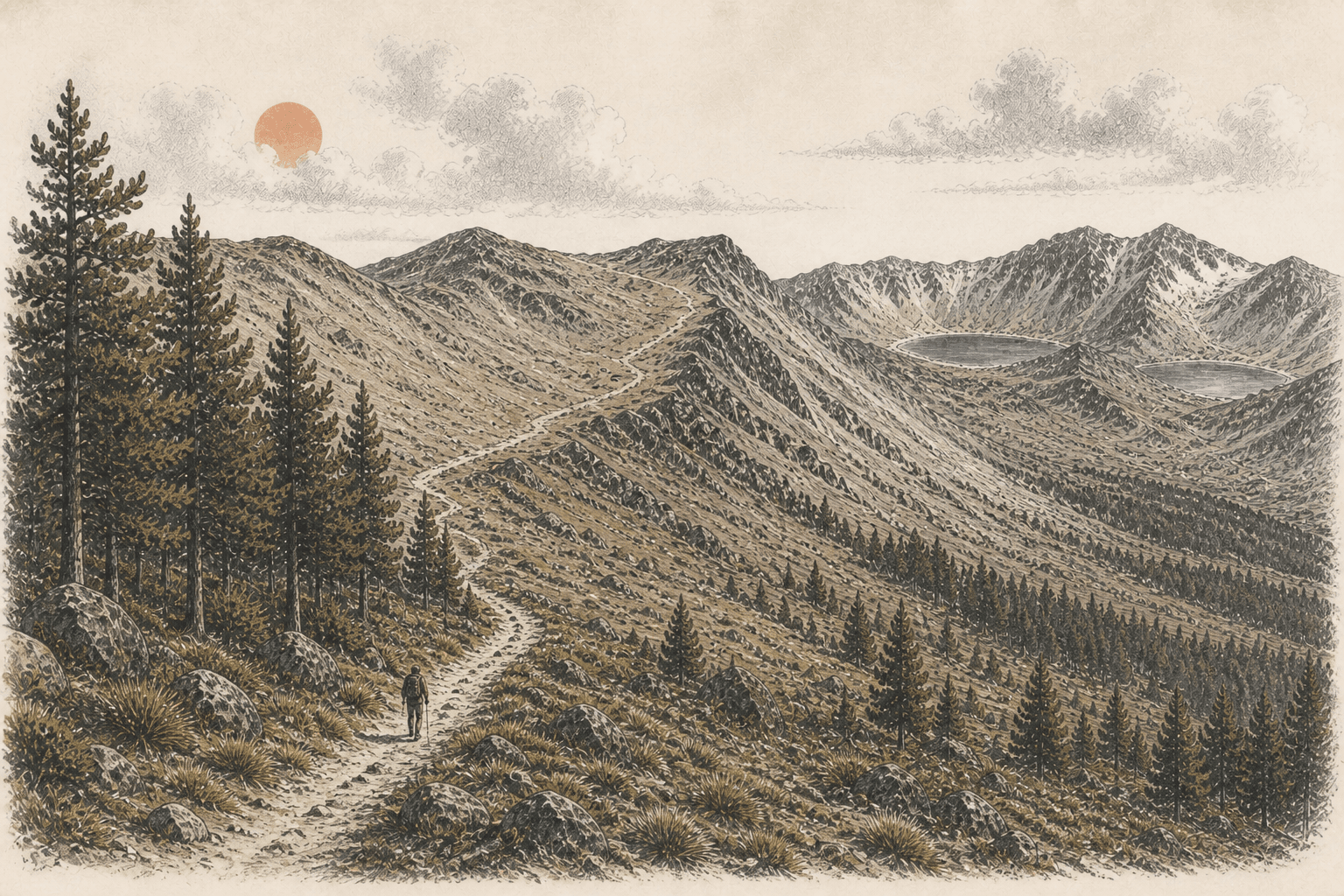
The mountain road looks direct on a map, but sustaining the climb from Parque de los Venados completely changes the scale of the visit.
The first section gains elevation through forest and open road. As the trees disappear, exposure to wind increases and your pace slows even though the ground is not technical.
Paso del Quetzal opens the way into the crater. From there, descending to the lakes adds elevation that you must regain before beginning the full return to Parque de los Venados.
This route does not include a summit. Even so, the distance, altitude above 4,000 meters, variable weather and long descent demand a firm turnaround time, offline navigation and enough daylight in reserve.
Reaching the lakes is only half the day: you still have to climb out of the crater and walk all the way back.
The route
Swipe to continue →
Park and confirm access authorization before setting out. The complete climb on foot toward the upper mountain begins here.
The route gains elevation steadily through forest and open terrain. Save energy: this same section is part of the return.
The authorized entrance to the crater opens a view toward the lakes. Reassess time, wind and your response to altitude before descending.
Use only permitted trails and remember that you still need to climb out of the crater and descend all the way to Parque de los Venados.
Field kit
For a day at Nevado de Toluca, I would prioritize four things: keeping the load light, staying warm, blocking wind and rain, and walking with reliable grip.
About these recommendations
These are specific products available in Mexico. Their function matters more than buying these exact models.
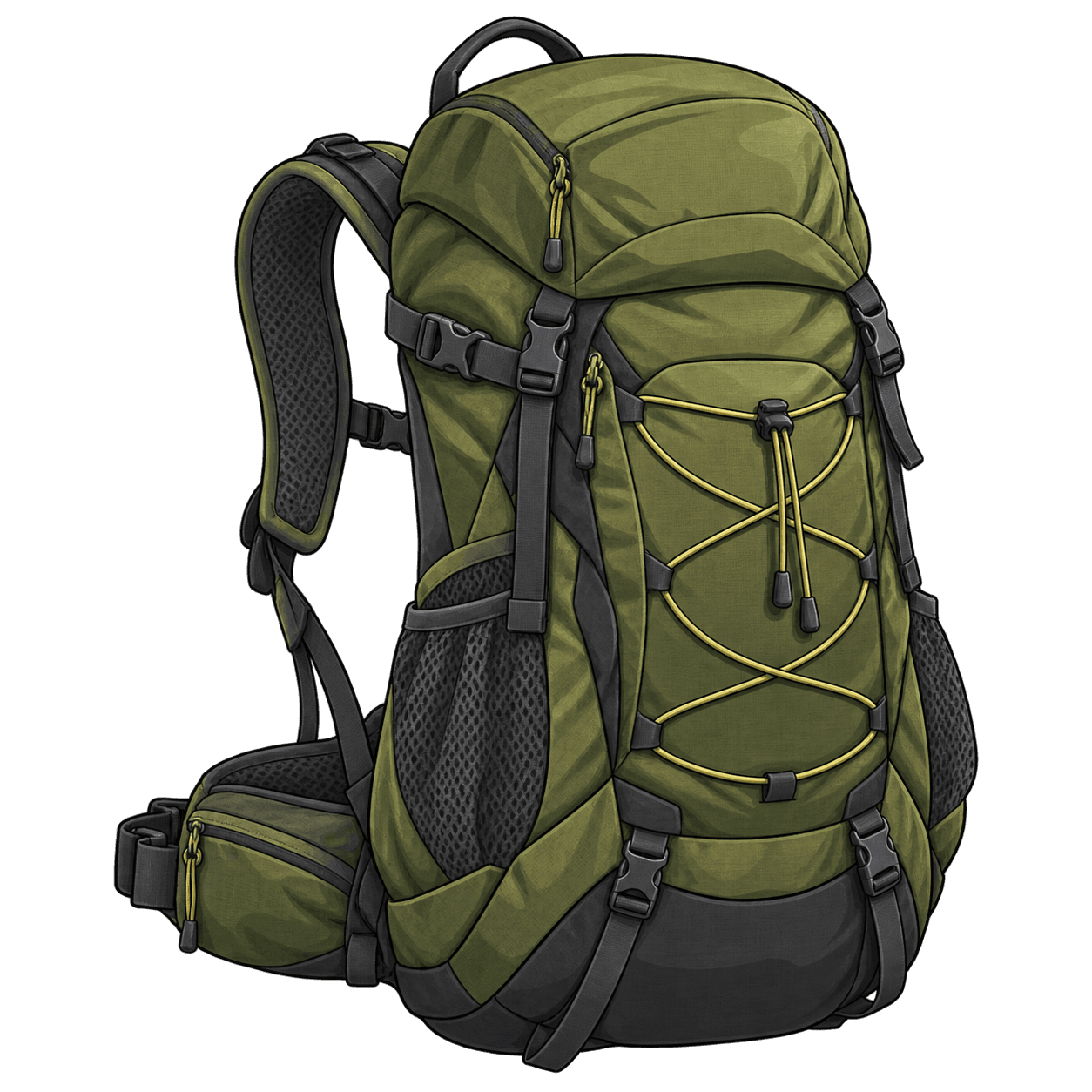
22 L · day hiking pack
Twenty-two liters holds water, food and layers without making you carry more pack than the day requires.
The right volume for a one-day outing.
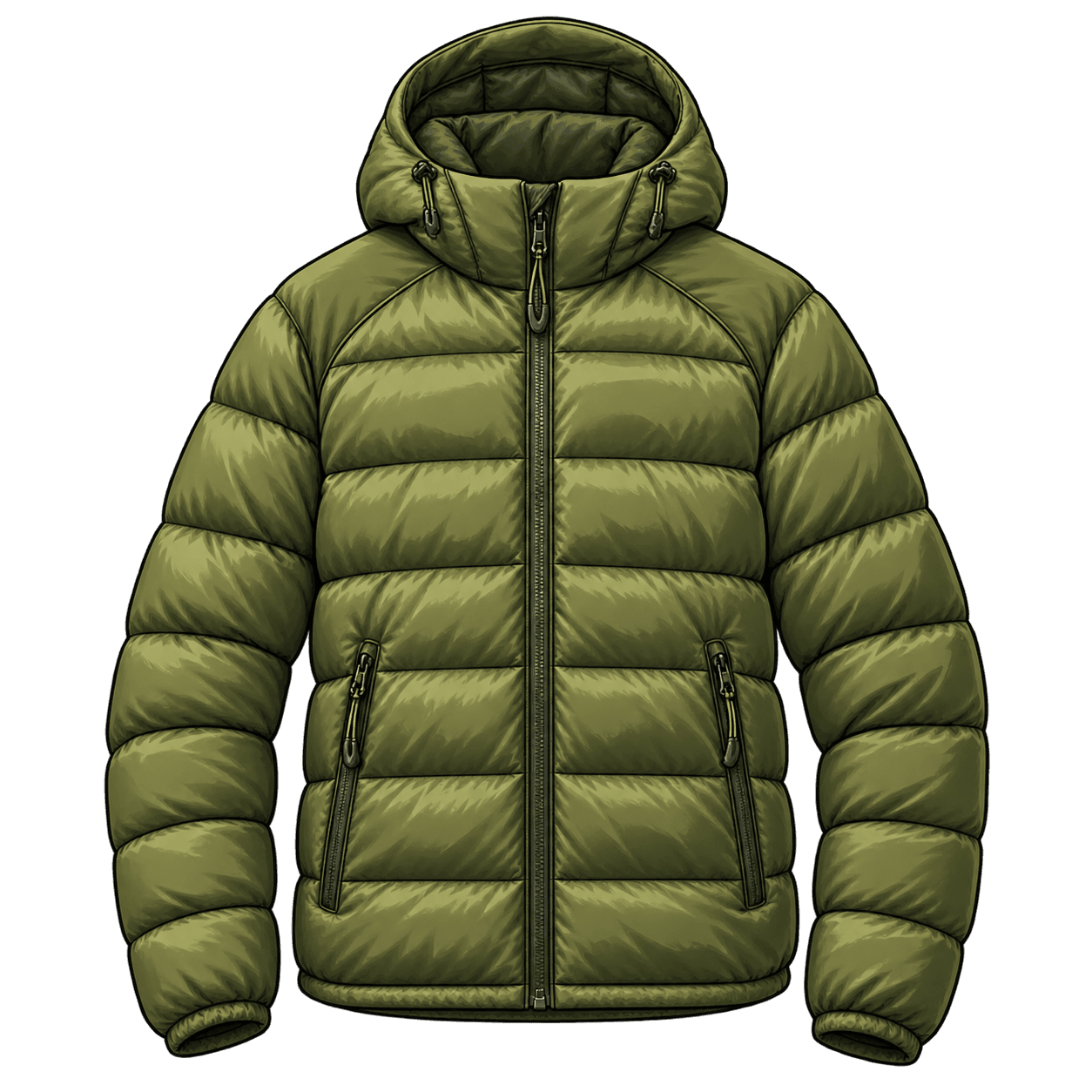
Approx. 370 g · packable
A warm, packable layer for temperature drops and stops along the route.
Useful warmth without unnecessary bulk.
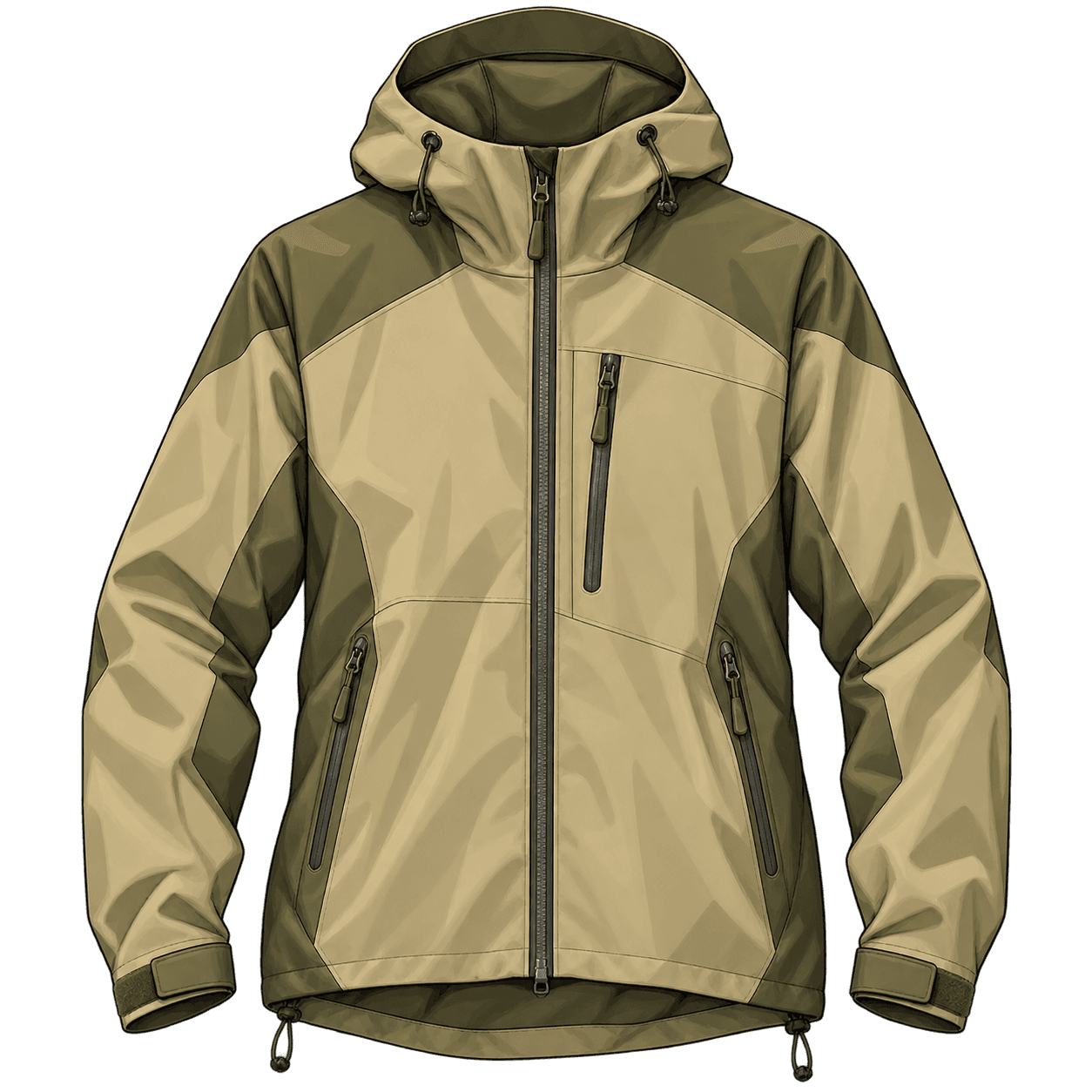
3-layer membrane · windproof
I would use it to block wind and rain instead of relying on one heavy jacket to solve every condition.
The barrier for changing weather.
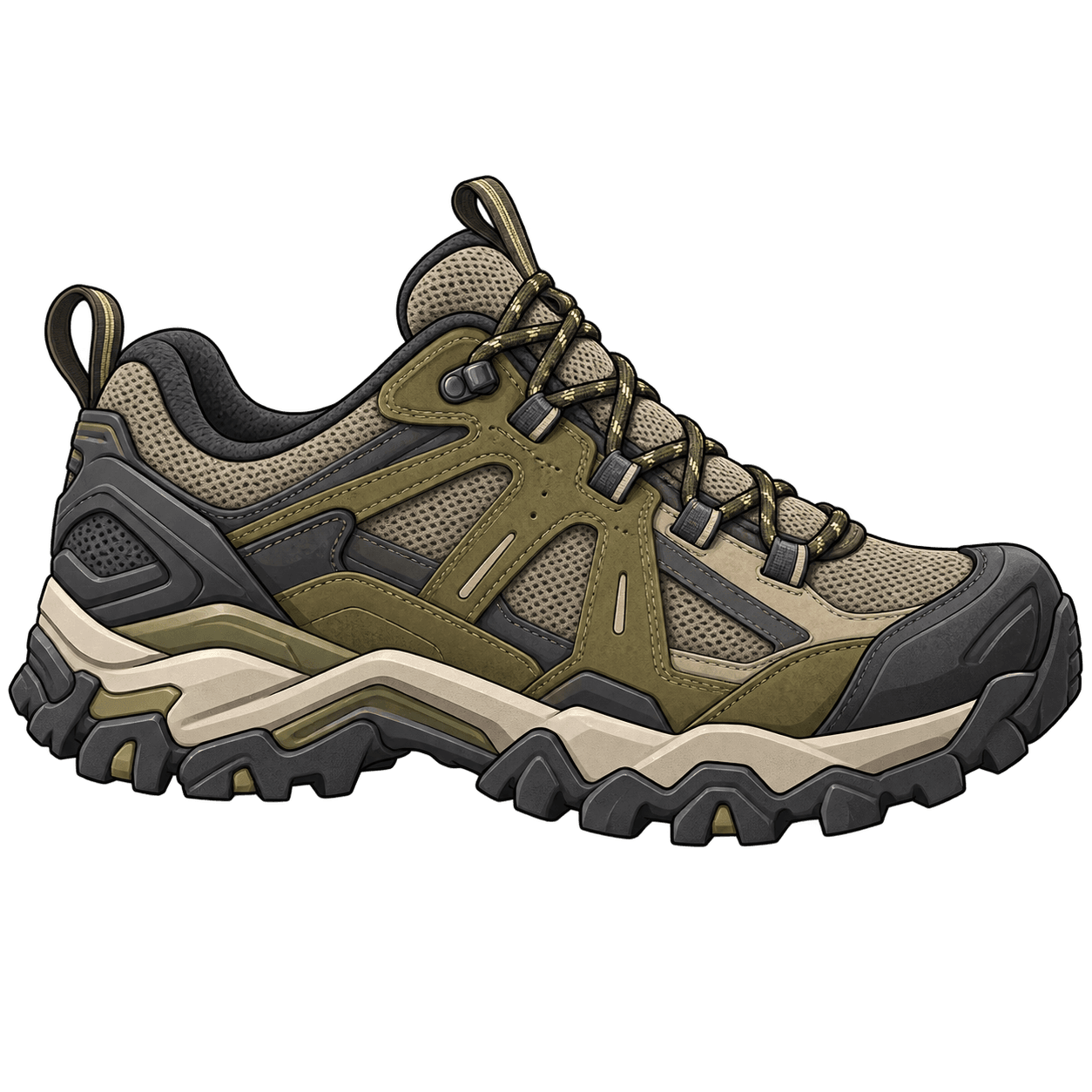
5 mm lugs · waterproof
You do not need a rigid mountaineering boot, but you do need grip, stability and comfort for several hours of walking.
Reliable grip before excessive gear.
Trail notes
Quick questions
CONANP currently has a full temporary closure notice that includes the crater, the lakes and every trail. This guide documents the hike, but you must check the official notice before deciding to visit.
The reference route is approximately 21 km out and back. This figure comes from public tracks and remains approximate; the authorized route and access operation may change.
Allow roughly seven to nine hours to hike in, visit the lakes and return. Altitude, wind, fitness and current restrictions can change that time substantially.
No. This variant is limited to the approach from Parque de los Venados, Paso del Quetzal and the Sun and Moon lakes. It does not include Pico del Fraile, Pico del Águila or climbing sections.
We rate it as a hard, high-effort hike. In dry conditions it is not technical, but it combines a long day, sustained climbing, mountain terrain and elevation above 4,000 meters.
Check CONANP notices and the official Nevado de Toluca Flora and Fauna Protection Area page before leaving. A published hiking guide does not mean access is open that day.
Set a turnaround time before you start. The lakes are only halfway through the day: if pace, weather or altitude use up your margin, turn back before entering the crater and preserve enough daylight to descend to Parque de los Venados.
Carry mountain footwear with reliable grip, layered insulation, sun protection, sunglasses, enough water, a windproof or waterproof shell, offline navigation, backup battery and a headlamp even when you plan to finish in daylight.
Editorial sources
This variant is based on the published official access and comparable public tracks. Distance, elevation gain and alignment remain approximate until we record our own track.